- What it is: the testbed SA4 uses to measure the traffic of AI media services for its 6G media study, TR 26.870 (FS_6G_MED, Release 20).
- How: AI service scenarios run over emulated network conditions; the traffic is captured and turned into metrics.
- Where in the TR: annex B describes the testbed, annex C the method and results, annex D the scenarios, network profiles, metrics and real-time video results, and annex E the network emulator (a temporary annex). See How the testbed maps to the annexes.
- Status: TR 26.870 is a draft (V0.6.1, September 2026); its results are initial.
What it does
The 6G media study records the traffic characteristics of AI media services from this testbed's measurements, as the basis for its statements on AI media services. The study obtains the characteristics with the framework of its annexes B, C and D (clause 6.3.3.1); the results are the record of the AI traffic characteristics it collects. What the study covers, and where AI traffic fits in it: Technical Analysis.
Contributors & How to Contribute


What's Built
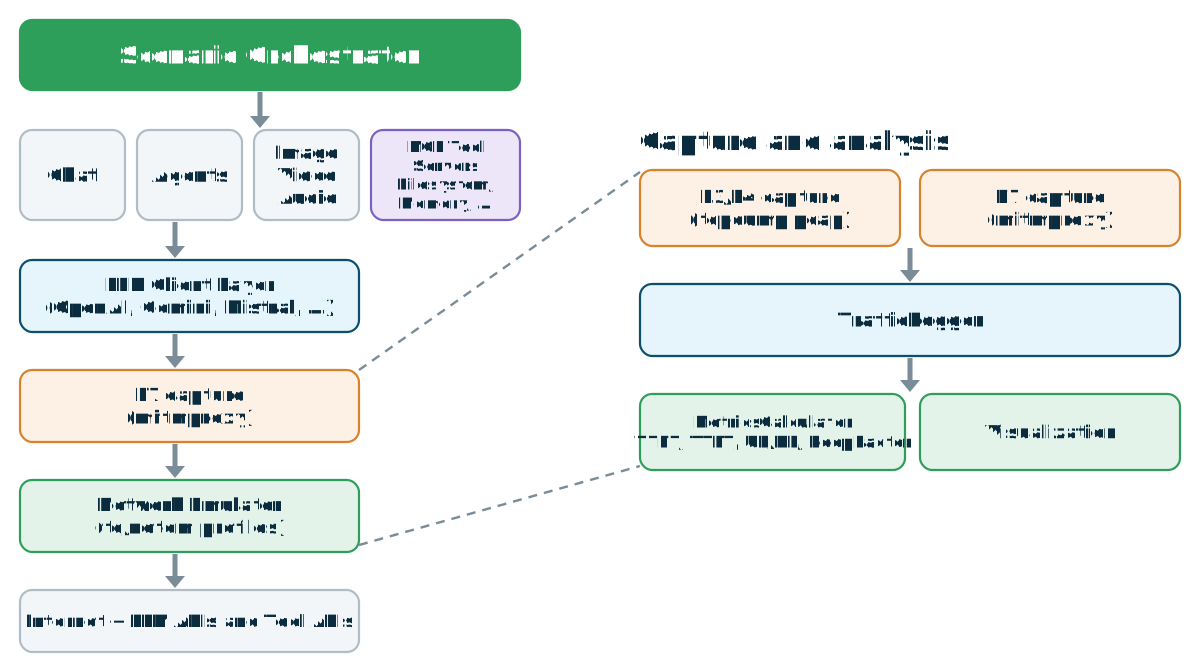
Annex B.2 of TR 26.870 describes the testbed architecture as a list and has no architecture figure; this pipeline (clause D.4.2) is its only figure of the software, and it names classes and functions of the repository's code. The diagram above shows the whole testbed. Click the figure to enlarge it.
Test design
Scenarios, network profiles and their call flows.
Metrics
Traffic, response time, service and task metrics.
Results
What the measurements show so far.
Repositories & Releases
Early Access: available to members first
6G-TestbedStandards implemented
 TR 26.870
3GPP TR 26.870 (the 6G media study, FS_6G_MED, Release 20), a draft (V0.6.1, September 2026). Its annexes B to E describe the testbed, the method, the scenarios and the network emulator.
See 6G AI Traffic Characterization: Specification list for version history and 5G-MAG's own standards contributions.
Developer Updates
Last Synced: 2026-10-26 01:55 UTC
Early Access: available to members first